
Kalamazoo County Arrest Records and Court Charges
An arrest record is the account of the arrest itself. It notes who was taken into custody, which agency made the arrest, the booking time, and the alleged offense at the point of intake. In Kalamazoo County most arrests run through the Kalamazoo County Sheriff, city police, or a state agency, and the booking is logged at the Kalamazoo County Jail. The arrest, on its own, does not decide guilt. It simply records that a person was detained and that an offense was alleged. Arrest records sit on the law enforcement side of the process, separate from what the court later files.
The court charge record starts after the arrest. The Kalamazoo County Prosecuting Attorney reviews the police work and decides the formal charges. Those court charges after arrest are filed with the court, and from that moment they are tracked through the case. For the custody and booking side, the jail roster and booking detail live on the Kalamazoo County inmate records page. For the full case file, the pleas, and the final outcome, the Kalamazoo County criminal court records page carries the disposition and sentence.
The Sheriff's Office is the hub for county-level arrests and jail bookings. You can reach its public pages and contact points through the Kalamazoo County Sheriff office home.
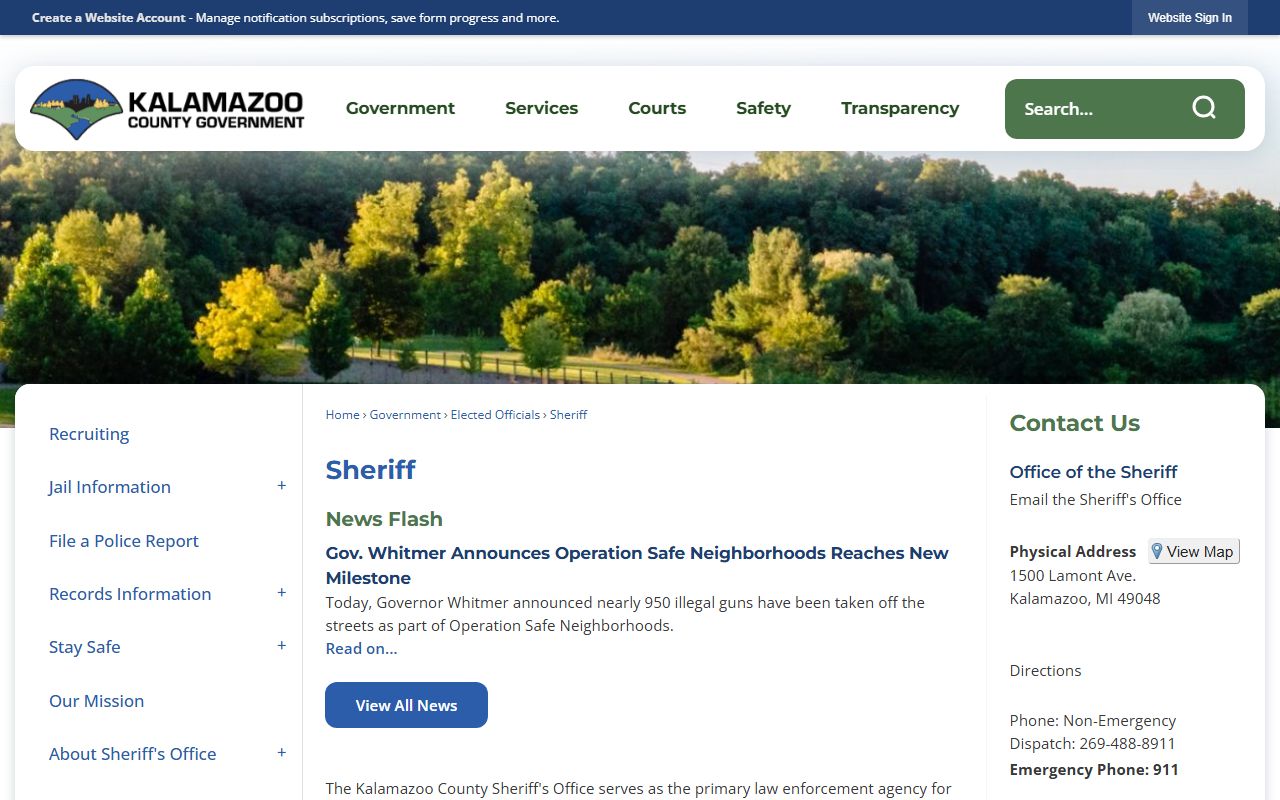
The Sheriff's page routes visitors to jail information, bond posting, and inmate contact, which is where the booking side of an arrest record surfaces. The charge side, by contrast, is held by the court clerk and the prosecutor once the paperwork is filed.
How to Find Kalamazoo County Arrest Records and Charges
The fastest way to see charges is the court case index. The 8th District Court and 9th Circuit Court publish case data through the state case search, where the charge list and each charge's status appear once a case opens. Booking-level arrest detail, such as the current bond and the housing facility, sits in the jail roster instead. Use the court search for charges and the jail roster for custody. Together they cover both sides of the arrest-to-charges pathway.
- Open the Michigan case search for the 8th District Court.
- Search by the defendant's full name, or enter the case number if you have it.
- Open the matching case and read the list of charges filed against the person.
- Check each charge for its statute code, its severity level, and its current status.
When a record is old, missing from the online index, or you need a certified copy of the charge paperwork, the court's records desk fills the gap. The Kalamazoo County court record request process accepts requests in person, by phone, by email, and by fax. Staff ask for a case number or a party name, so bring the identifiers you already have. To pull the underlying police report behind an arrest, the county runs a separate channel.
The Kalamazoo County police records request page handles requests for arrest and incident reports held by law enforcement.
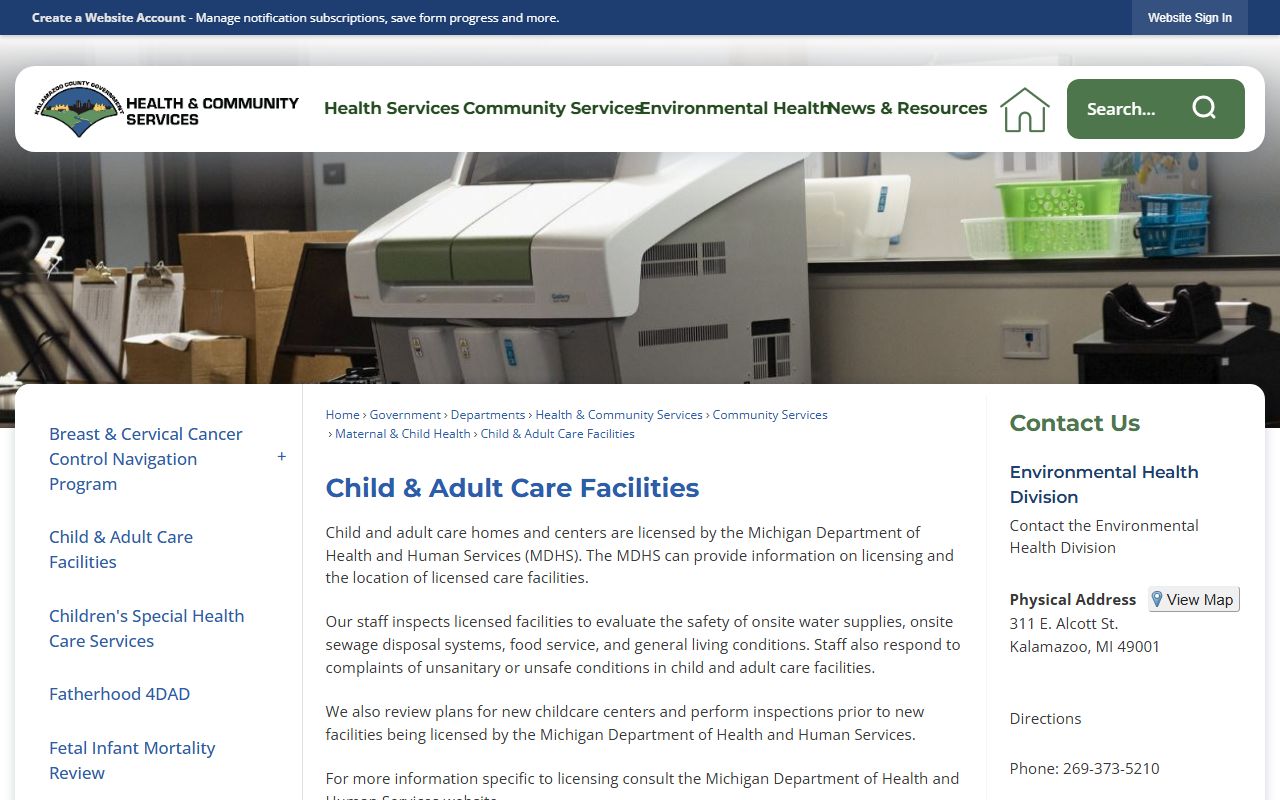
That request path is how you reach the report a deputy wrote at the scene, which is a different document from the charges the prosecutor later files in court.
How Charges Get Filed After an Arrest: Complaint, Information, and Indictment
Follow the timeline from the arrest forward. First the arrest and booking happen. Then the charge record begins when a prosecutor files a charging document with the court. That filing is the legal accusation, and it names each offense along with the statute it is said to break. Michigan cases usually start with one of three documents. The type depends on how serious the offense is and how the case is brought.
| Complaint | Information | Indictment | |
|---|---|---|---|
| Filed By | Officer / Prosecutor | Prosecutor | Grand Jury |
| Common For | Misdemeanors | Many felonies | Serious felonies |
| Starts | The case | The case | The case |
In county practice, a misdemeanor case in the 8th District Court often opens with a complaint. A felony that clears a preliminary examination moves to the 9th Circuit Court on an information. A grand jury indictment is far less common at the county level. A charge can also begin when a private citizen reports an incident that police and the prosecutor then act on.
Residents can start that chain through the county's Kalamazoo County file a police report page.
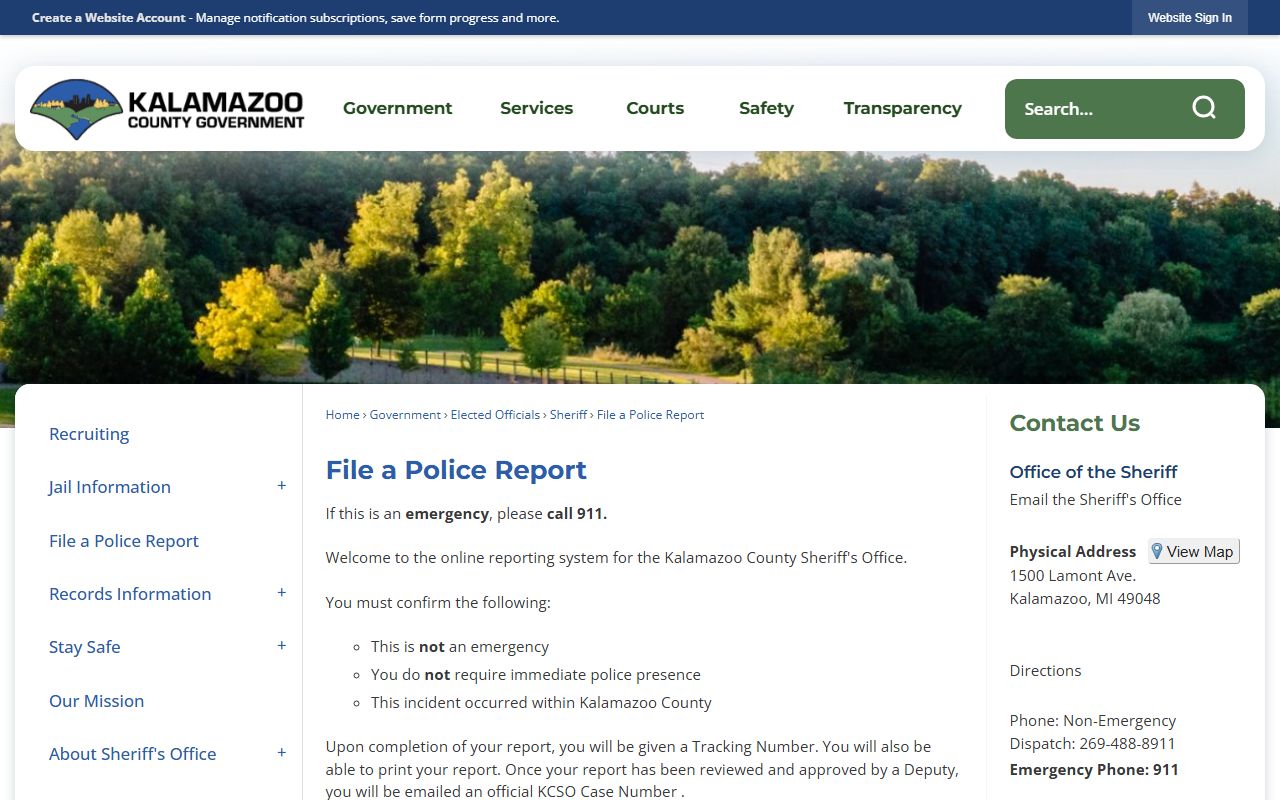
A citizen report does not by itself create a charge. It gives officers the facts they need, and the prosecutor still decides whether the case supports charges after arrest.
Charge Status and What It Means
Charges are not fixed once they are filed. As a case moves, a charge can be amended, reduced, added, dropped, or dismissed. A count that reads as a felony at booking may be cut to a misdemeanor in a plea deal. A weak count may be dismissed while a stronger one stays. Reading the status field is the only way to know where a charge stands today, since the arrest offense and the final charge are often not the same.
| Status | What It Means |
|---|---|
| Pending | The charge is active and the case is still open before the court. |
| Amended / Reduced | The charge was changed, often lowered to a lesser offense or a lesser level. |
| Dismissed | The court dropped the charge, so it no longer moves the case forward. |
| Nolle Prosequi | The prosecutor chose not to pursue the charge and withdrew it. |
Note: a dismissed or withdrawn charge can still appear in the public case history even though it was never carried to a verdict.
Charges vs. Convictions
Being charged is not the same as being convicted. A charge is an accusation. It means a prosecutor believes there is enough cause to bring the case. A conviction is the outcome, reached only by a guilty plea or a verdict after the standard of proof is met. Many charged cases end without a conviction. That is why an arrest record or a charge list should never be read as proof of guilt.
| Charge | Conviction | |
|---|---|---|
| Stage | Accusation | Verdict or plea |
| Burden of Proof | Probable cause | Beyond reasonable doubt |
| Public Record | Yes | Yes |
A person facing charges has the right to counsel. In Kalamazoo County, indigent defendants are often assigned counsel through Kalamazoo Defender, a contracted nonprofit office, with the assignment made at arraignment once qualification is confirmed.
You can reach that office through the Kalamazoo Defender contact page.
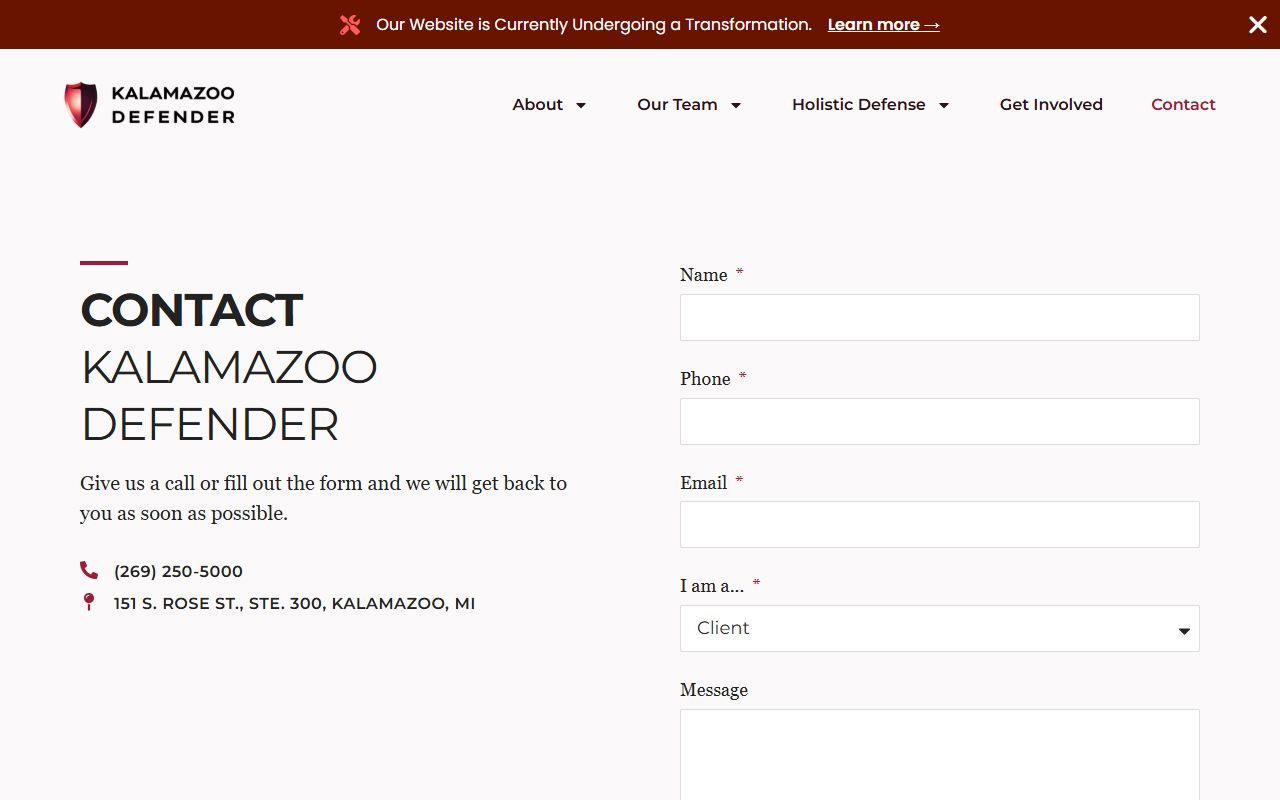
Because a charge is only an accusation, the defense side of the record matters as much as the charge side when you read a case history.
Sealed vs. Expunged Records
Not every charge stays public forever. Michigan lets people ask a court to set aside qualifying records once the case posture and waiting periods are met. A sealed record is hidden from routine public view, while an expunged, or set aside, record is treated as though the offense never happened for most purposes. Both require a petition and a court order, and both hinge on the person's criminal history and the timing of the disposition.
| Sealed | Expunged | |
|---|---|---|
| Visibility | Hidden from public | Destroyed / treated as never existed |
| Law Enforcement | Limited access | Very limited |
| Eligibility | Set by Michigan set-aside law and case type | Set by Michigan set-aside law, history, and waiting period |
The Michigan set-aside framework begins at MCL 780.621, which defines who can seek relief and after what procedural steps. Until a court grants it, the charge stays part of the public file.
Charge Codes and Severity Levels
Each charge is tied to a specific statute, and that statute sets the severity. Michigan sorts offenses into felonies, misdemeanors, and civil infractions. A felony carries the heaviest exposure and is handled in the 9th Circuit Court after a bindover. A misdemeanor is a lower offense handled in the 8th District Court. A civil infraction, common for minor traffic matters, is not a crime at all. The charge code on a record tells you both the offense and the level.
One arrest can produce several separate charges. A single incident might yield a felony count, a misdemeanor count, and a traffic count, each with its own code, its own level, and its own status. That is why a charge list often shows more entries than the arrest headline suggests. Reading each line, rather than the first count alone, gives the true picture of what a person faces.
Many charges start with a report to city police. The Kalamazoo Department of Public Safety runs its own reporting channel at the Kalamazoo Report a Crime page.
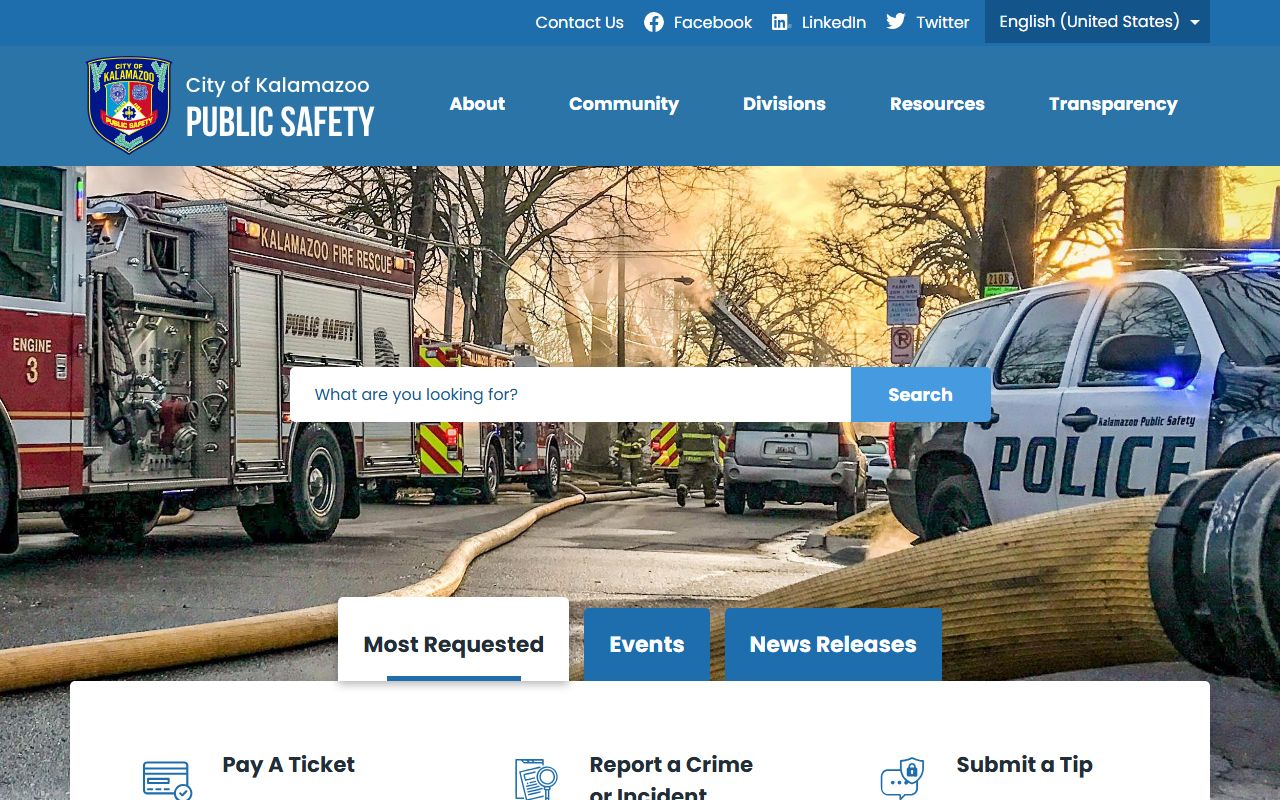
City police reports feed the same charging process, and the resulting counts are coded to statute in the same way county cases are.
Statewide Charge and Criminal History Lookups
County records show one county's cases, but charges roll up into a statewide criminal history. The Michigan State Police run ICHAT, the Internet Criminal History Access Tool, which returns Michigan conviction history for a small fee. You reach it through the Michigan State Police records site. ICHAT is the standard statewide check when you need convictions across counties rather than a single local case.
Two other state tools round out the picture. When a person has been sentenced to state prison, the Michigan Department of Corrections offender tracker replaces the county jail roster. You can search it through Michigan OTIS. For registrable offenses, the state also publishes a public list through the Michigan sex offender registry. Each of these is a state channel, separate from the county court index but useful for a fuller history.
Note: a statewide history and a county case file can differ, so confirm any disputed charge with the office that holds the original record.
Background Check Considerations
There is a real gap between a casual name search and a regulated background check. Looking up a Kalamazoo County arrest record for your own knowledge is one thing. Using charge data to decide on hiring, housing, credit, or insurance is another, and that use is governed by the federal Fair Credit Reporting Act. A regulated check must come from a compliant consumer reporting agency, follow strict accuracy rules, and give the subject notice and a chance to dispute.
For everyday reference, the public court index and the state history tools are the right starting points. Residents can also connect with local public safety programs, such as the camera registry and engagement tools on the Connect Kalamazoo page, which support city-level reporting rather than formal screening.
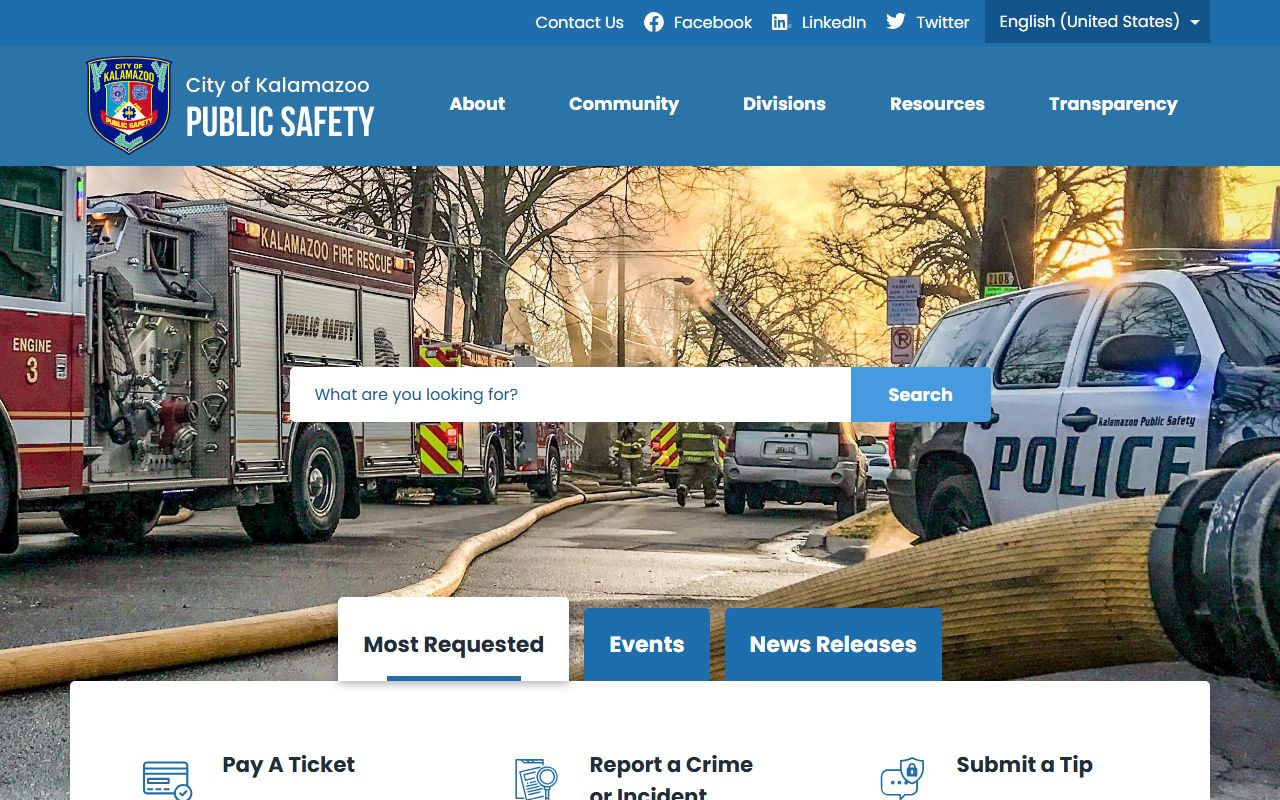
Those community tools help residents report and engage, but they are not screening services and do not stand in for a regulated background check.
Important: This site is not a consumer reporting agency under the Fair Credit Reporting Act, and its data may not be used for employment, tenant, credit, or insurance screening.
Restricted Charge Records in Kalamazoo County
Some charge records are shielded from public view. Juvenile charges carry strong statutory protection, so records for minors are held to a stricter access standard than adult files. Sealed and set-aside charges drop out of routine search results once a court grants the order. Charges tied to an ongoing investigation may be withheld until the matter resolves. Sensitive identifiers, such as a Social Security number or a financial account, are commonly redacted even from otherwise public files.
Juvenile confidentiality flows from MCL 712A.28, while the broader public access baseline sits in the Michigan open records framework at MCL 15.231. When a record is not visible online, the correct next step is a formal request to the court or the prosecutor. The Kalamazoo County Prosecuting Attorney, Jeffrey S. Getting, leads the office that files charges, and that office can confirm what is public.
The Kalamazoo County Prosecuting Attorney office handles charging decisions across its Circuit, District, and Family divisions, and it is the anchor point when you need to understand why a charge was filed, amended, or withdrawn.